



Celebrating a decade of driving local climate action in sub-Saharan Africa
Published: 9 Dec 2025
Success Stories

This year, the Covenant of Mayors in Sub-Saharan Africa (CoM SSA), the regional chapter of the Global Covenant of Mayors for Climate and Energy (GCoM), is celebrating ten years of catalysing local climate action in the region. Launched in 2015, the same year as the historic Paris Agreement, CoM SSA has grown to over 400 local governments, committed to building sustainable, livable, safe and resilient communities powered by clean energy.
On this occasion, we are reflecting on how CoM SSA has evolved over the years, moving from a primary focus on convening cities, peer-to-peer exchange, advocacy, planning and increasing signatories, to a more mature, well-respected and widely-appreciated initiative that is more strategic in its approach. Co-funded by EU, BMZ, AECID and The French Ministry of Europe and Foreign Affairs and implemented through long-standing partners AFD/EF (France), AECID (Spain), GIZ (Germany) and ICLEI Africa (host of the CoM SSA Secretariat), CoM SSA supports the work of the EU's Global Gateway initiative boosting smart, clean and secure connections in digital, energy and transport sectors in Africa.
Strengthened peer-to-peer exchanges
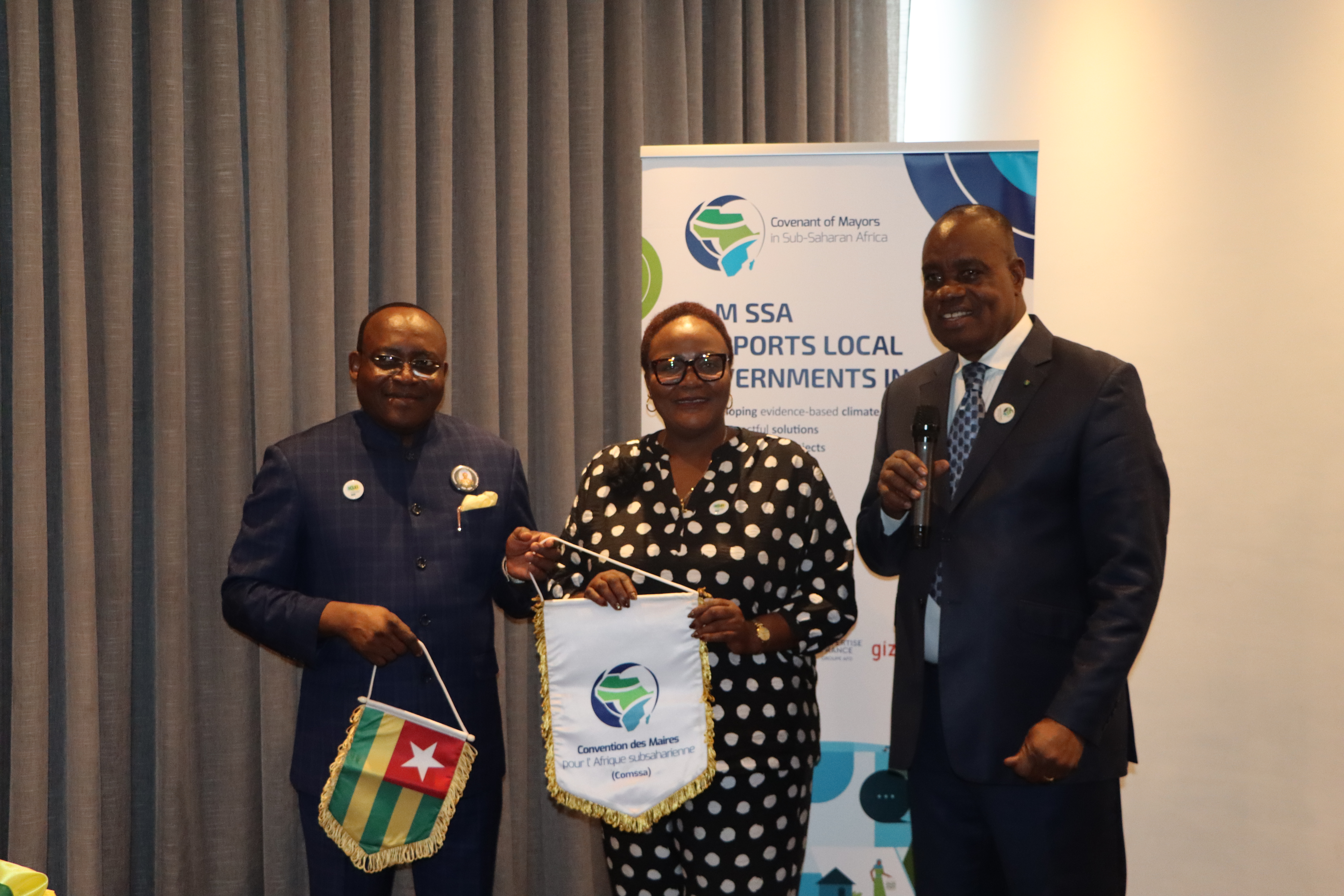
Another strategic form of exchange is business matchmaking exchanges, which have improved over the years, moving from dialogue to concrete action. Recent events enabled city-to-city learning, engagement with the private sector and financiers, and the launch of new partnerships, including three pilot projects and one finance application.
Implementation-driven climate planning
Though implementation is vital, Sustainable Energy Access and Climate Action Plans (SEACAPs) and climate and energy badges, awarded by GCoM, matter. Evidence-based plans are needed to guide effective implementation. CoM SSA now focuses on implementation-oriented planning that minimises resource pressures on cities.
Demonstrating the importance of the SEACAP process, Lusaka (Zambia)’s Risk and Vulnerability Assessment (RVA) led to the delivery of targeted capacity building and training related to accessing climate finance to address the critical vulnerabilities that were identified by the RVA, such as health sector impacts and water resource management. The findings of the RVA will further guide officials in Lusaka to prioritise actions that address priority needs for most efficient resource use that build long-term resilience.
Over the years, there have been shifts to make the planning process more efficient and accessible. The recently approved GCoM simplified reporting level approach, where cities do not have to adhere to the full suite of Common Reporting Framework (CRF) requirements to be badged, is a positive step in reducing planning burdens and freeing up resources to make sure those plans can be implemented. CoM SSA has also developed tools, for example, the SEACAP toolbox, now available here on the CoM SSA Learning Portal, which supports signatories across sub-Saharan Africa to speed up high-quality planning work, even in data-scarce environments, using proxy data tools.
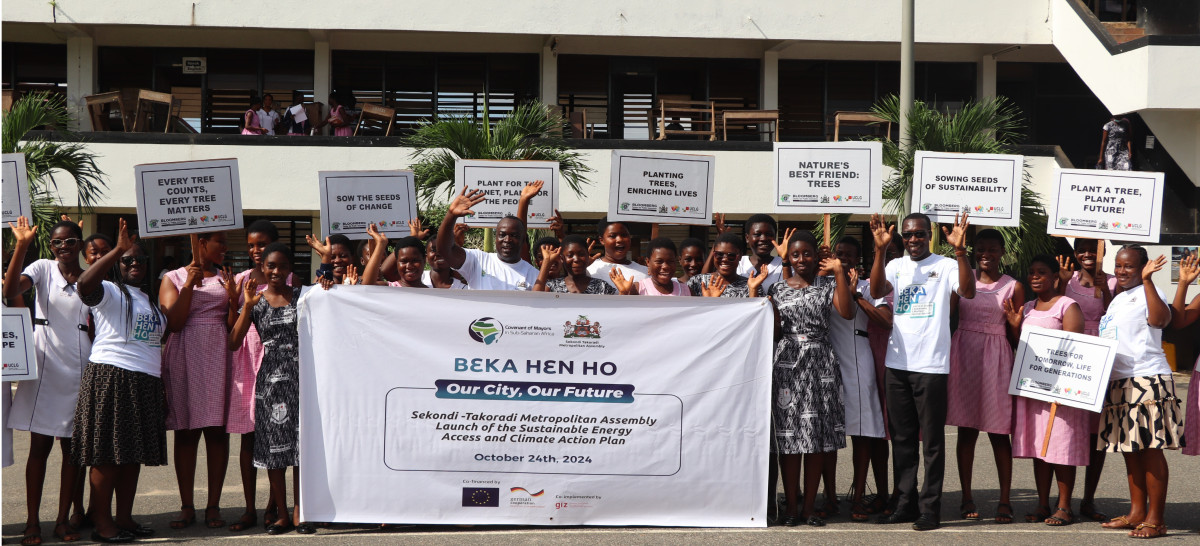
Sustainable Energy Access and Climate Action Plan (SEACAP)
Building on this, CoM SSA is working closely with European Union (EU) Delegations, CoM SSA ensures that local climate priorities feed into broader EU cooperation frameworks. This integrated approach has enhanced decentralised cooperation by empowering local governments to develop and implement their SEACAPs, while maintaining strong alignment with national climate policies and Team Europe-supported investment pipelines. In Ghana, CoM SSA is working closely with the EU Delegation to identify synergies with other EU-supported projects and initiatives led by EU Member States. For example, in Sekondi-Takoradi, CoM SSA has coordinated with FCDO on the city’s flood resilience work and worked in alignment with the EU-supported Twin Cities in Sustainable Partnership Programme.
To further increase the likelihood of implementation, CoM SSA ensures that SEACAPs are aligned with relevant government development plans. For example, Sekondi-Takoradi (Ghana)’s SEACAP has been embedded within existing national planning systems, particularly Ghana’s Medium-Term Development Planning process, ensuring that climate action is not a standalone effort but part of the city’s broader development trajectory.
Driving finance and implementation through an action-oriented agenda
CoM SSA has supported signatory cities in developing 69 climate action projects, including 30 pilot projects with a combined potential investment of over EUR 629.5 million. These initiatives are expected to reduce carbon emissions by more than 18 million tonnes. 13 of these projects, with a financial value of EUR 468 227 000, have been taken up by financiers.
The largest of these projects to date is the EUR 409 million Omi Eko project in Lagos (Nigeria), which is transforming public transport with electric-powered ferries and climate-smart terminals. By replacing diesel-powered buses with ferries powered by renewable energy, the project will cut CO2 emissions by 54,000 tonnes annually.
Sustainable energy transformation in public buildings is also being driven through the Urban Smart Energy (USE) initiative. Supporting decentralised energy systems and energy efficiency measures in schools, hospitals, and markets, USE conducts feasibility analyses that attract private sector investment. The initiative has been rolled out in eight cities, assessing over 80 city-owned sites to date.
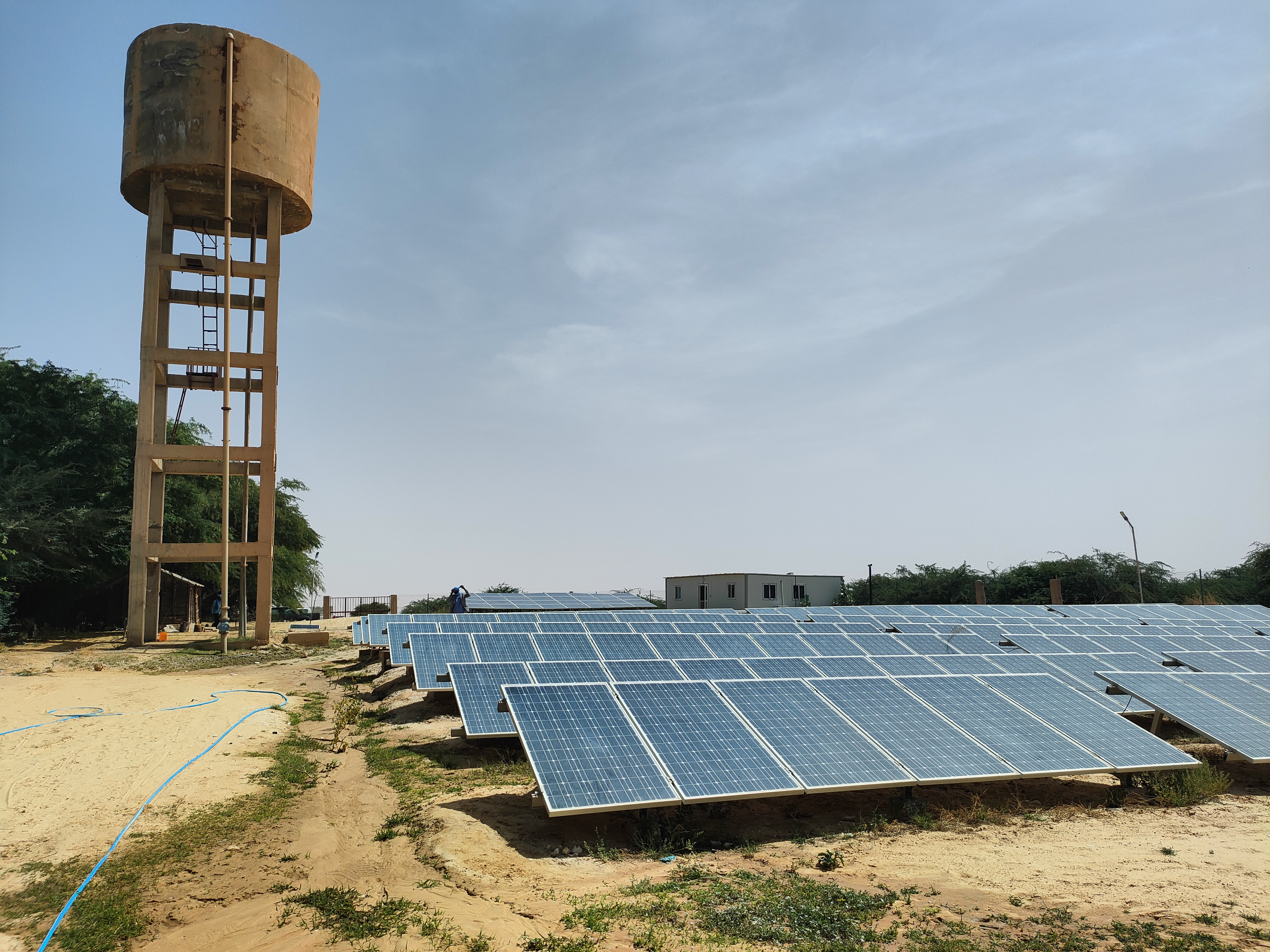
at the urban vegetable garden in Nouakchott ©AECID
In Kisumu County (Kenya) a biogas unit demonstrates how biodigesters can provide clean energy, high-quality fertiliser, and sustainable waste management. The success of this pilot enables the county to replicate the solution and access additional funding for potential scale-up.
Similarly, the “Feeding and Greening Nouakchott” project in Mauritania is transforming the desert outskirts of the city into 10 hectares of solar-irrigated urban farms, boosting both food security and local employment. Today, the city’s markets are supplied with competitively priced, locally grown produce—a stark contrast to just five years ago, when vegetable cultivation in Nouakchott seemed impossible.
Examples like these show signatory cities what climate resilience looks like in practice, building trust and demonstrating pathways for scaling climate action across the region. CoM SSA is actively working to enhance local governments’ capacity to access finance to implement their projects. Over 300 climate change leaders have completed CoM SSA's climate finance online course, greatly enhancing their understanding of project design, financing mechanisms, and the expectations of funders, as indicated by 90% of course participants.
Targeted advocacy backed by stronger political buy-in
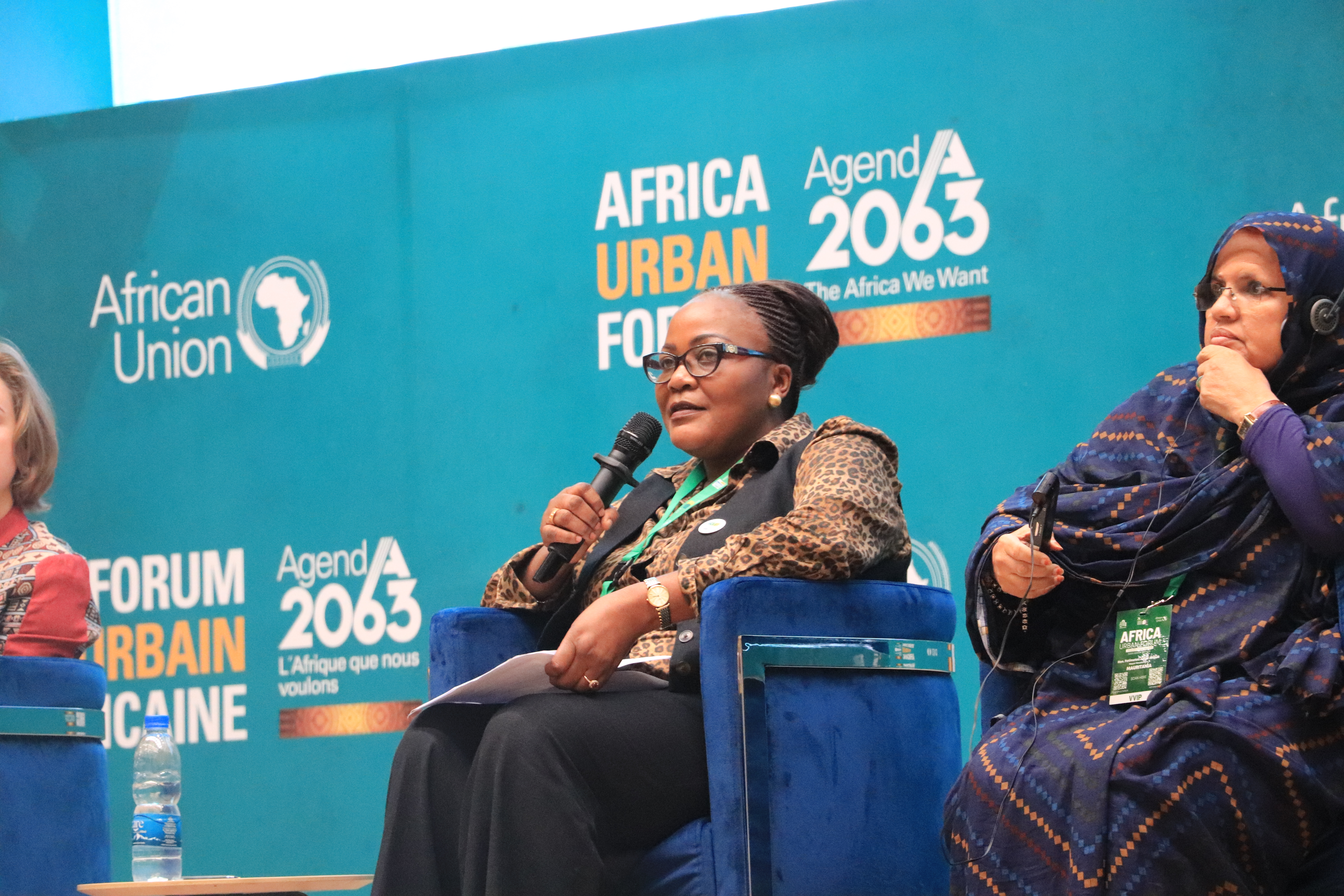
Africa Urban Forum in 2024
We have built solid momentum, gained critical learnings and proven that African cities are not waiting. They are taking action. Now, the signatories, funders, Secretariat, and partners are ready to unlock the next phase of climate leadership, under the guidance of the CoM SSA RMF. Stronger partnerships, deeper investment, and bolder action will continue driving a just, resilient, and low-carbon future for cities in sub-Saharan Africa.
Hear from the CoM SSA funders, implementing partners and Secretariat host:
The CoM SSA Project has enabled AECID to enhance its commitment to preventing and mitigating climate change in African countries. This initiative has brought local authorities closer to their communities’ needs and encouraged political advocacy with national governments. One of the primary successes of CoM SSA has been the involvement of new councils in each participating country, highlighting the significance of local action in achieving global goals. The investment projects have increased awareness of climate change among local authorities. Surveys have underscored the necessity for mobilizing national governments and civil society. Additionally, the collaborative efforts have fostered a comprehensive approach that promotes regional change. ~ Elena Ruiz Sanz, CoM SSA Coordinator, AECID

AFD has contributed to CoM SSA since 2019 by helping cities move to actionable, investment-ready infrastructures & facilities. In the next phase, we will continue to mobilise robust technical expertise and project preparation funds to the benefit of our partner cities, but will deepen the policy dialogue on how to implement sustainable and livable cities in each local context. CoM SSA remains a key platform to turn ambition into concrete climate-smart actions. It enables us to work closely with a wide range of partners—particularly within Team Europe—and to coordinate our efforts to accelerate investments in catalytic urban solutions. ~ Samuel Lefèvre, Senior Team Leader and Lead specialist cities and climate change, AFD
Using a bottom-up, participatory approach, Expertise France supports African cities in designing and implementing tailored Sustainable Energy Access and Climate Action Plans. In the next phase, we will adopt a multi-scale intervention strategy: deploying technical assistance at the national level to improve the enabling environment for local climate planning, strengthening collective action at the inter-municipal level and providing in-depth support to cities as they address their specific climate challenges. ~ Jeremy Cebriá, CoM SSA Team Leader, Expertise France
For GIZ, CoM SSA’s achievements over the past ten years stand as proof of what sustained advisory support and committed partnerships can deliver: resilient infrastructure, efficient energy systems and strong regional networks that share practical solutions. Leading this contribution has been both exciting and humbling because the real driving force is the determination of African cities to implement locally driven climate solutions amid deeply complex challenges. In Phase IV, we remain committed as this partnership continues to deliver meaningful and scalable climate solutions on the ground. ~ Yodit Zeggay, Head of Project, GIZ
ICLEI Africa took over the CoM SSA Secretariat role in September 2020, post involvement in the Compact of Mayors, which merged with the Covenant of Mayors in June 2016. Ultimately, ICLEI has always been involved, in every manifestation of what now is the Global Covenant of Mayors and CoM SSA, and we have actively participated in either witnessing or influencing this progression in both global (ICLEI as a member of the founders council of GCoM) and regional capacities; ICLEI Africa as the only city network focused on political and technical work that aims to push the climate and energy agenda forward for Africa cities, towns and regions. ~ Dr Meggan Spires, Director: Climate Change, Energy & Resilience at ICLEI Africa
 Share On Facebook
  Share On X
  Send Via Email
 Related Articles
-

Implementing a climate action plan: lessons and inspiring examples from African cities
All CoM SSA signatories commit to developing a Sustainable Energy Access and Climate Action Plan (SEACAP). But a climate action plan only delivers impact when its priorities are reflected in budgets, institutions, projects and investments. A SEACAP is therefore not the end of the journey: it provides the evidence base and strategic direction for implementation.
View articles -
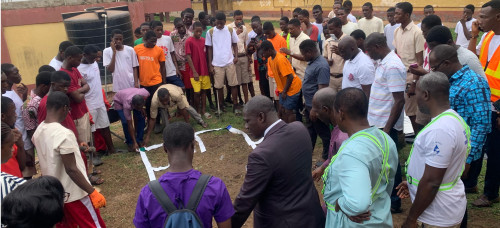
Bringing biogas to Ghanaian schools
In partnership with Oekobit, the Covenant of Mayors in Sub-Saharan Africa co-implementing partner GIZ, and the Sekondi-Takoradi Metropolitan Assembly (STMA), Ghana, is implementing school-based waste separation and biogas systems that reduce waste while generating renewable energy.
View articles -

Renewable energy as a vehicle for equity and urban resilience in sub-Saharan Africa
As cities across sub-Saharan Africa continue to grow, so too does the urgency to ensure that urban development is powered by energy systems that are reliable, affordable and equitable. This was the central message emerging from the recent Regional Dialogue on Renewable Energy, co-hosted by the Covenant of Mayors in Sub-Saharan Africa (CoM SSA) Secretariat, Global Covenant of Mayors for Climate & Energy (GCoM) and REN21.
View articles