


Bringing biogas to Ghanaian schools
Author: Deutsche Gesellschaft für Internationale Zusammenarbeit (GIZ) GmbH Published: 25 Aug 2026
Access to Energy
General
Success Stories
In partnership with Oekobit, the Covenant of Mayors in Sub-Saharan Africa co-implementing partner GIZ, and the Sekondi-Takoradi Metropolitan Assembly (STMA), Ghana, is implementing school-based waste separation and biogas systems that reduce waste while generating renewable energy.
This marks the implementation of the GCoM–Oekobit biogas pilot project in STMA (Ghana), one of three participating cities alongside Mombasa County (Kenya) and Basse Area Council (The Gambia). This initiative arose from a successful matchmaking event in Cape Town in June 2025, which connected cities with innovative European SMEs. Through this collaboration, Oekobit, a German SME specialising in biogas systems, partnered with the three cities to design and implement context-specific solutions for organic waste management and renewable energy generation.
Advancing climate action through circularity
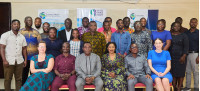
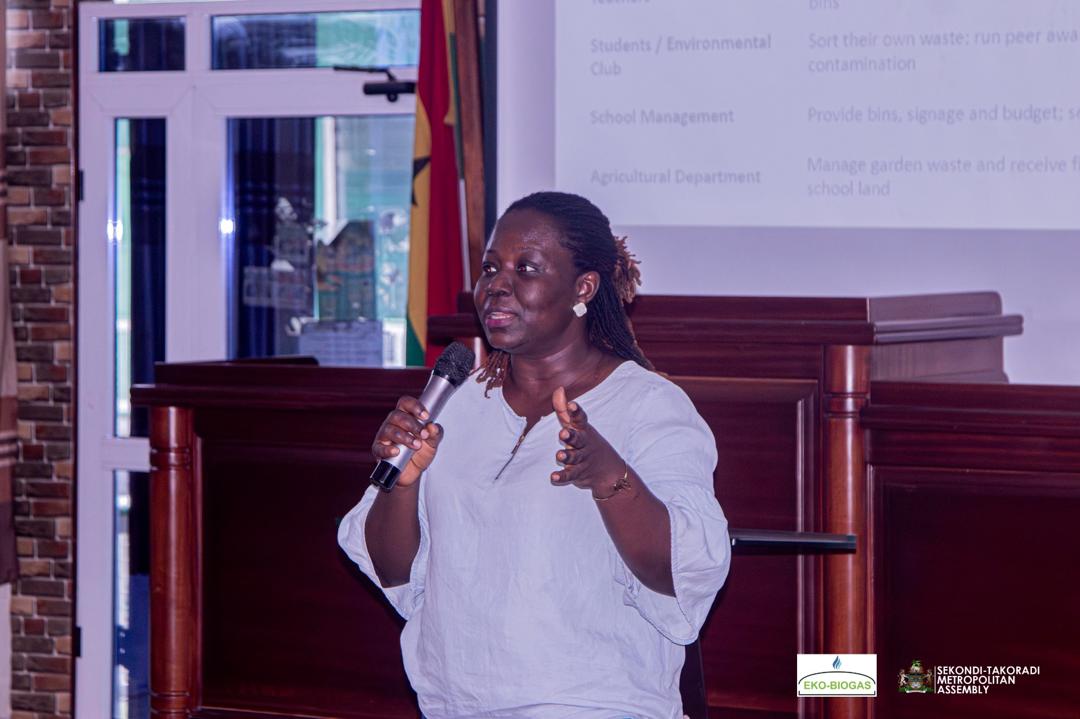
The project officially launched in July 2026 with a week of hands-on capacity-building, bringing together more than 50 participants, including STMA technical staff, students, and officials from the Cape Coast Metropolitan Assembly and Effia-Kwesimintsim Municipal Assembly. The project aims to install Oekobit biodigesters in 5 schools in STMA; Ghana Secondary Technical School, Fijai Senior High School, Sekondi College, Ahantaman Girls’ Senior High School and Adiembra Senior High School.
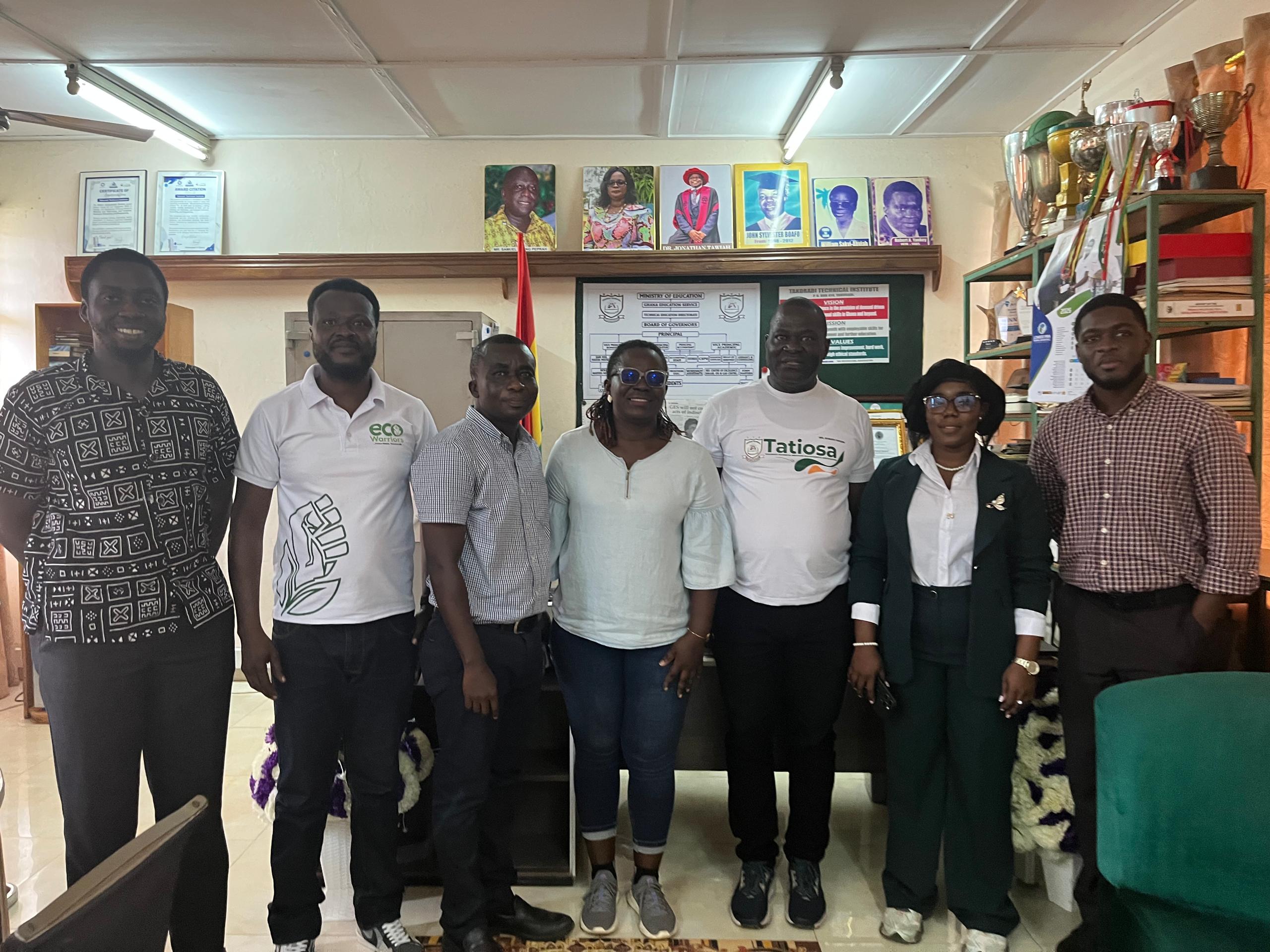
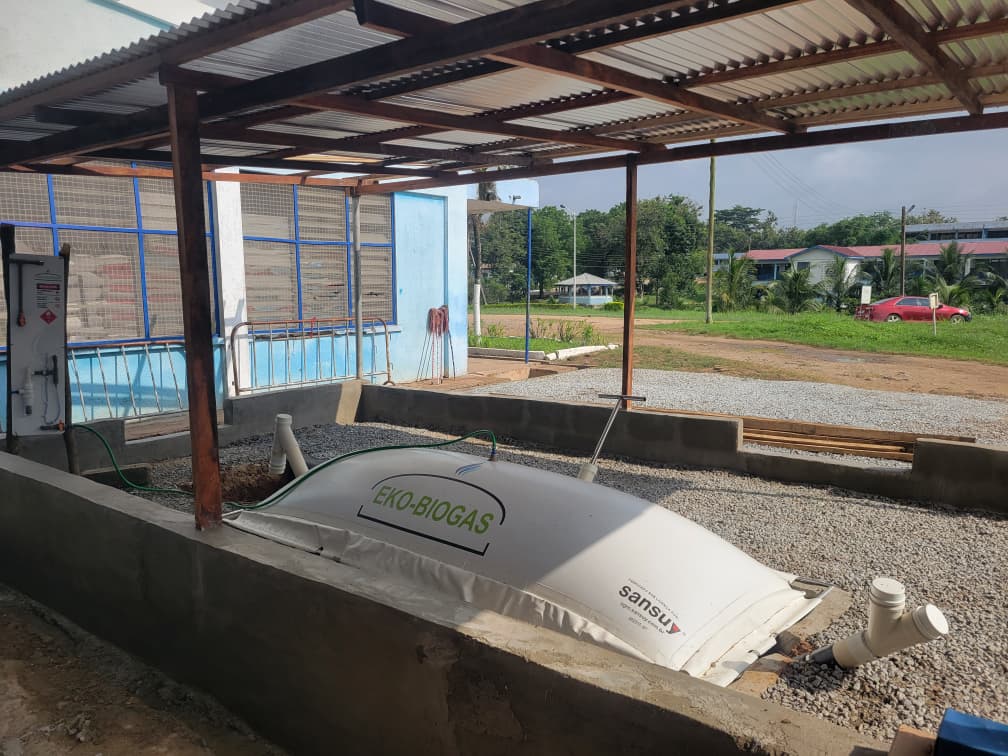
The project started with participants receiving practical training on anaerobic digestion, safe operation and maintenance, monitoring, and effective waste segregation. Thereafter, a study visit to Takoradi Technical Institute showcased a functioning biogas plant, source separation in practice and functional environmental clubs. This served as an avenue to take lessons, share experiences and understand the difficuties that may potentially arise during the project implementation phase.
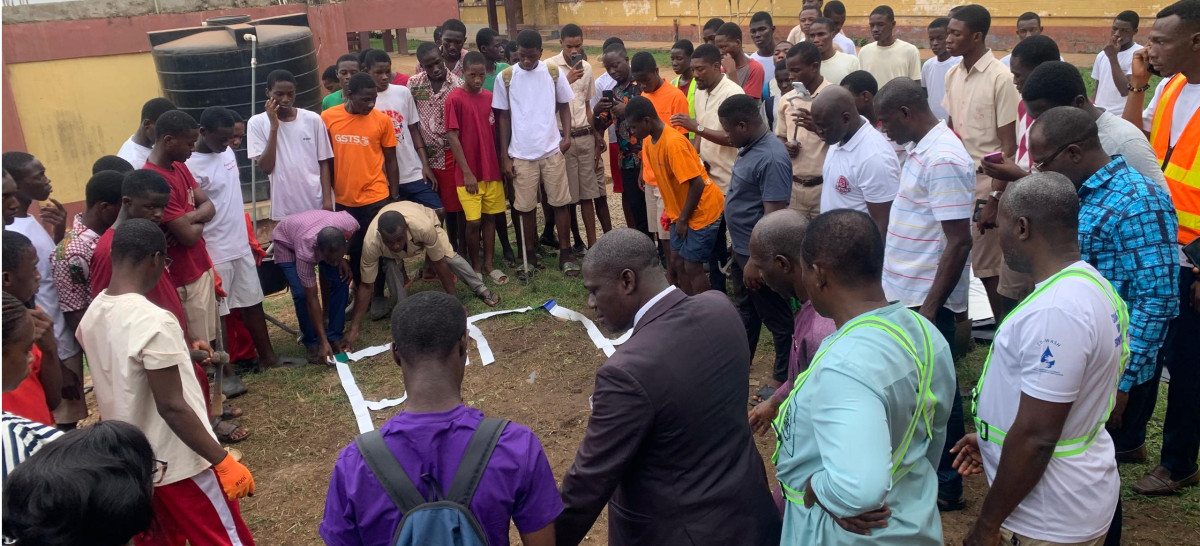
Field work commenced after grounds were broken by Hon. Mayor Federick Faustinus Faidoo (STMA) and Ghana Secondary Technical School and Fijai Senior High School had their biodigesters installed over the course of the week.
As biogas digesters are installed across participating schools, the project is delivering tangible benefits:
- Circularity in action: Organic waste is converted into biogas for clean energy, while nutrient-rich digestate can be returned to the soil.
- Skills for sustainability: Schools are building the knowledge and capacity needed to operate and maintain these systems, supporting long-term local ownership.
What comes next?
With the project now underway, the focus shifts from installation to long-term operation and sustainability. The remaining biogas systems will be completed across all participating schools, ensuring that each site is equipped to convert organic waste into clean, renewable energy.
To support the long-term success of the initiative, STMA will formalise roles and responsibilities with participating schools through Memoranda of Understanding. These agreements will help establish clear governance structures for the operation, maintenance, and management of the biogas systems.
Ongoing monitoring and technical support will help ensure the biogas systems continue to operate effectively and deliver lasting environmental and educational benefits.
By embedding these systems in public schools and engaging local SMEs in their installation and maintenance, the project is building the skills, partnerships, and governance needed to sustain circular economy solutions today while creating a model that can be replicated in communities across Africa.
 Share On Facebook
  Share On X
  Send Via Email
 Related Articles
-

Implementing a climate action plan: lessons and inspiring examples from African cities
All CoM SSA signatories commit to developing a Sustainable Energy Access and Climate Action Plan (SEACAP). But a climate action plan only delivers impact when its priorities are reflected in budgets, institutions, projects and investments. A SEACAP is therefore not the end of the journey: it provides the evidence base and strategic direction for implementation.
View articles -

Renewable energy as a vehicle for equity and urban resilience in sub-Saharan Africa
As cities across sub-Saharan Africa continue to grow, so too does the urgency to ensure that urban development is powered by energy systems that are reliable, affordable and equitable. This was the central message emerging from the recent Regional Dialogue on Renewable Energy, co-hosted by the Covenant of Mayors in Sub-Saharan Africa (CoM SSA) Secretariat, Global Covenant of Mayors for Climate & Energy (GCoM) and REN21.
View articles -

African cities are stepping up as climate leaders, and the data proves it.
In 2025, CoM SSA signatories were awarded over 100 badges for reporting on their climate action and sustainable energy progress.
View articles