


Strengthening climate change adaptation, mitigation, and resilience in urban areas of sub-Saharan Africa
Author: AECID Published: 13 Oct 2026
General

AECID brings together five local authorities in the Dakar region to tackle climate change, led by the mayors of Pikine and Dakar, key partners of Spanish Cooperation.
DAKAR, SENEGAL— [September 28th 2026] — The City of Pikine hosted the official launch ceremony of Phase IV of the project supporting the Covenant of Mayors for Sub-Saharan Africa (CoM SSA), co-financed by AECID and the European Union with a total budget of €1.5 million. The initiative aims to strengthen local climate action and support local authorities in designing and implementing sustainable and resilient urban solutions over a 36-month period.
A project at the heart of urban climate challenges
Senegal is particularly vulnerable to the impacts of climate change, including droughts, rising temperatures and sea-level rise. In urban areas, these vulnerabilities are mainly manifested through recurrent flooding, coastal erosion, challenges related to sanitation and waste management, and poor air quality. In response, local authorities play a key role in developing locally tailored solutions and integrating climate action into territorial development policies.
Three key areas of action
Phase IV of the CoM SSA builds on previous phases, focusing on turning climate plans into investments and improving local authorities’ access to appropriate financing. The three main areas of action are:
- Climate planning.
- Eligible urban projects.
- Peer learning and partnerships.
The project also places strong emphasis on citizen participation, gender equality, and the inclusion of vulnerable groups.
Pikine and Dakar at the heart of a territorial dynamic
The cities of Dakar and Pikine are at the heart of Phase IV of the project. The initiative will also extend to the cities of Guédiawaye and Rufisque, as well as the Departmental Council of Keur Massar, bringing these five territories together to address the challenges of climate adaptation, mitigation and resilience. Together, they are home to 3,685,894 inhabitants, representing around 20% of Senegal’s population.
This inter-territorial approach aims to foster coordination, experience-sharing and the exchange of expertise to strengthen climate action across the Dakar metropolitan area. In particular, it will facilitate the sharing of knowledge, harmonise approaches and encourage joint responses to climate challenges that transcend the administrative boundaries of individual local authorities.
For Dakar Mayor Abass Fall, this dynamic highlights the key role of local authorities in tackling the climate emergency.
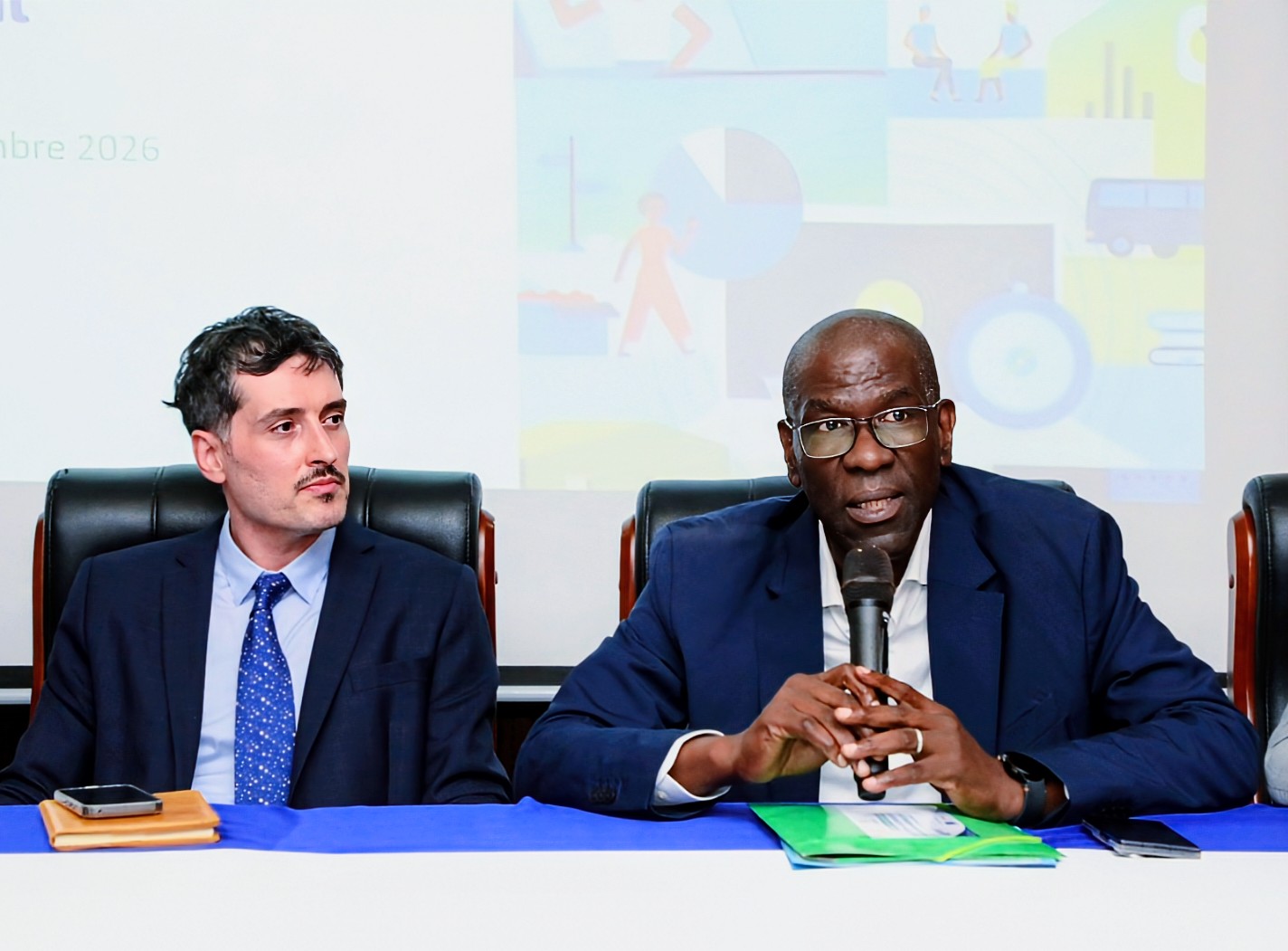
Pikine Mayor Abdoulaye Thimbo reaffirmed the city’s commitment to addressing shared environmental challenges, particularly flooding.
For their part, Thomas Huyghebaert, Chargé d’Affaires of the European Union Delegation in Senegal, and Dolores Ríos Peset, Ambassador of Spain to Senegal, reiterated their institutions’ support for Senegalese local authorities in implementing concrete and sustainable solutions.
Collective action for more resilient territories
Beyond investments and infrastructure, Phase IV aims to foster meaningful cooperation between territories. This will include city-to-city exchanges, training sessions, learning visits, and collaboration with national institutions, the private sector and civil society.
The launch ceremony brought together local authorities and stakeholders committed to tackling climate change around a shared goal: making local action a driver of sustainable transformation in urban areas.
 Share On Facebook
  Share On X
  Send Via Email
 Related Articles
-
Bringing biogas to Ghanaian schools
In partnership with Oekobit, the Covenant of Mayors in Sub-Saharan Africa co-implementing partner GIZ, and the Sekondi-Takoradi Metropolitan Assembly (STMA), Ghana, is implementing school-based waste separation and biogas systems that reduce waste while generating renewable energy.
View articles -

Renewable energy as a vehicle for equity and urban resilience in sub-Saharan Africa
As cities across sub-Saharan Africa continue to grow, so too does the urgency to ensure that urban development is powered by energy systems that are reliable, affordable and equitable. This was the central message emerging from the recent Regional Dialogue on Renewable Energy, co-hosted by the Covenant of Mayors in Sub-Saharan Africa (CoM SSA) Secretariat, Global Covenant of Mayors for Climate & Energy (GCoM) and REN21.
View articles -

African cities are stepping up as climate leaders, and the data proves it.
In 2025, CoM SSA signatories were awarded over 100 badges for reporting on their climate action and sustainable energy progress.
View articles