


CoM SSA Mayors contribute to regional urbanisation discourse at the Africa Urban Forum 2
Published: 22 Apr 2026
Events

“Africa’s urban future will define Africa’s political and economic future.” This was the sentiment shared by all at the Africa Urban Forum 2 (AUF2).
AUF2, held in Nairobi (Kenya) from 8 to 10 April 2026, was convened by the African Union Commission and hosted by the Government of the Republic of Kenya with technical support from UN-Habitat and the United Nations Economic Commission for Africa. The Forum gathered 40 Ministers and about 8000 delegates under the theme Adequate Housing for All: Advancing Socio-economic and Environmental Transformation towards the Realisation of Agenda 2063.
The AUF shows that urbanisation is a priority for the African Union
The African Union Commission (AUC) devised the AUF in 2022. The Forum was established in response to a growing recognition of Africa’s rapid urbanisation, its opportunities and challenges, and the need for a continental platform to promote an inclusive and holistic approach to unlocking its full potential. The inaugural AUF was held in Addis Ababa in 2024, and it has now grown into a vital multi-stakeholder platform for discussing key urban issues linking the 2030 Sustainable Development Goals, the New Urban Agenda and the aspirations of Agenda 2063.
“The success of Agenda 2063 will be shaped, in large part, by Africa’s urban future. The African Union Commission calls on Member States, Regional Economic Communities, and national and local governments to strengthen political leadership on urban development, invest in inclusive and resilient cities, empower local governments and institutions, and promote innovation and sustainable financing. Together, we must ensure that Africa’s cities become engines of peace, prosperity, and integration.” ~ Opening Statement by the AUC Chairperson, H.E. Mahmoud Ali Youssouf, Delivered by Commissioner of ARBE (H.E. Moses Vilakati).
Rapid urbanisation, widening inequality and intensifying climate risks are converging in cities that are expanding faster than governance systems and infrastructure investment can keep pace. For local and regional governments, this is a daily operational reality. The question is no longer whether cities will grow, but how we deploy the systems, resources and partnerships that can shape that growth toward resilience, sustainability and inclusion.
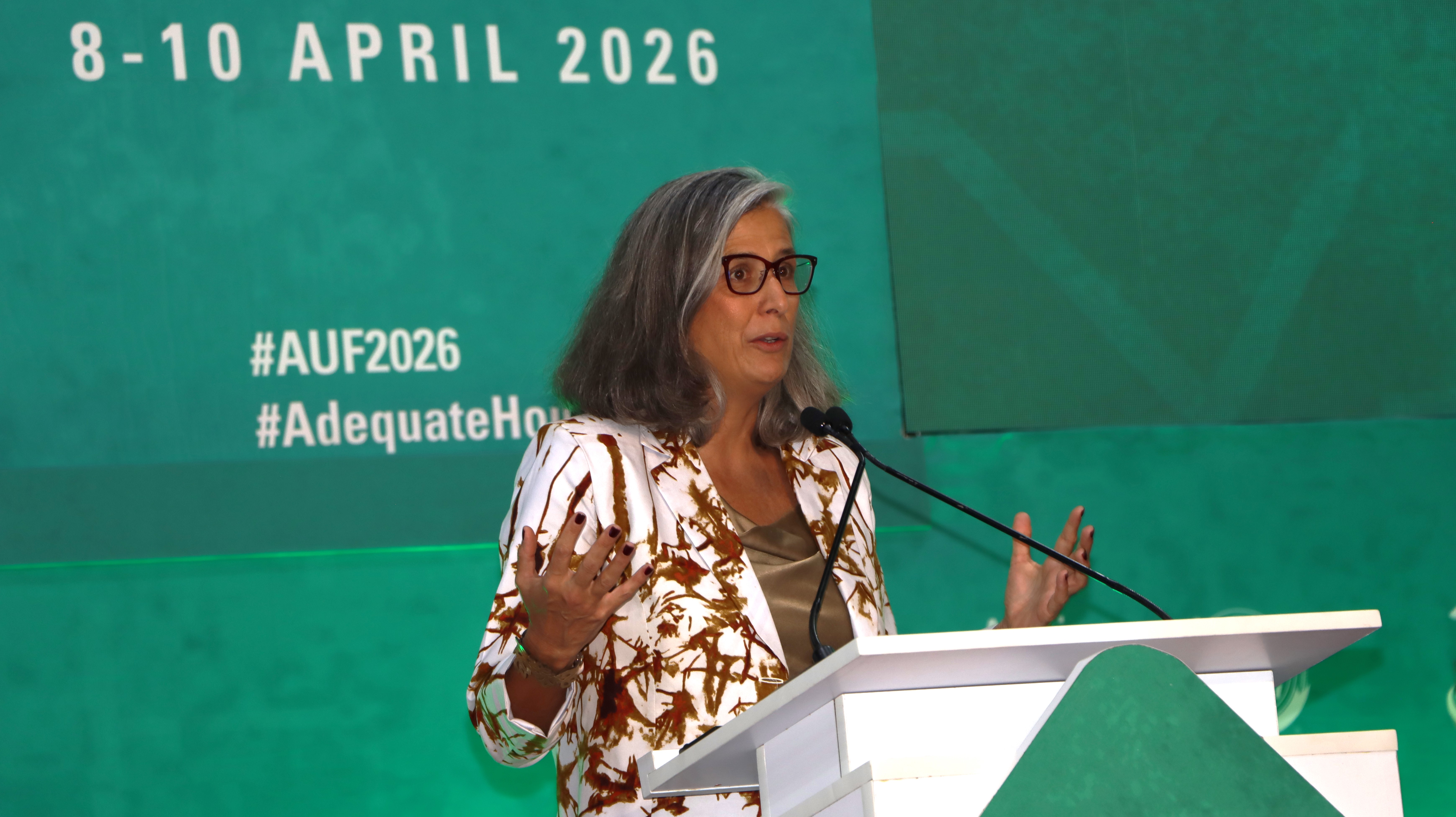
“African cities are growing at a rate of 3.5% each year, which is a benchmark. Much of this growth is coming from within cities. And this growth is primarily happening in secondary and intermediate cities.” Anacláudia Rossbach, Executive Director, UN-Habitat and United Nations Under-Secretary-General.
Multilevel governance in the spotlight
Throughout the AUF2, the importance of collaboration between national and local governments was highlighted. In his address, H.E. William Ruto, President of Kenya, underscored that governments of all levels must be aligned, adding that partnership from County Governments was key to the success of the Kenyan housing project, Boma Yangu. The President also announced a new partnership agreement with CoM SSA signatory, the Governor of Nairobi and for the first time in history, the President addressed the Nairobi County Council on the sidelines of the AUF2.
CoM SSA Mayors lead the charge
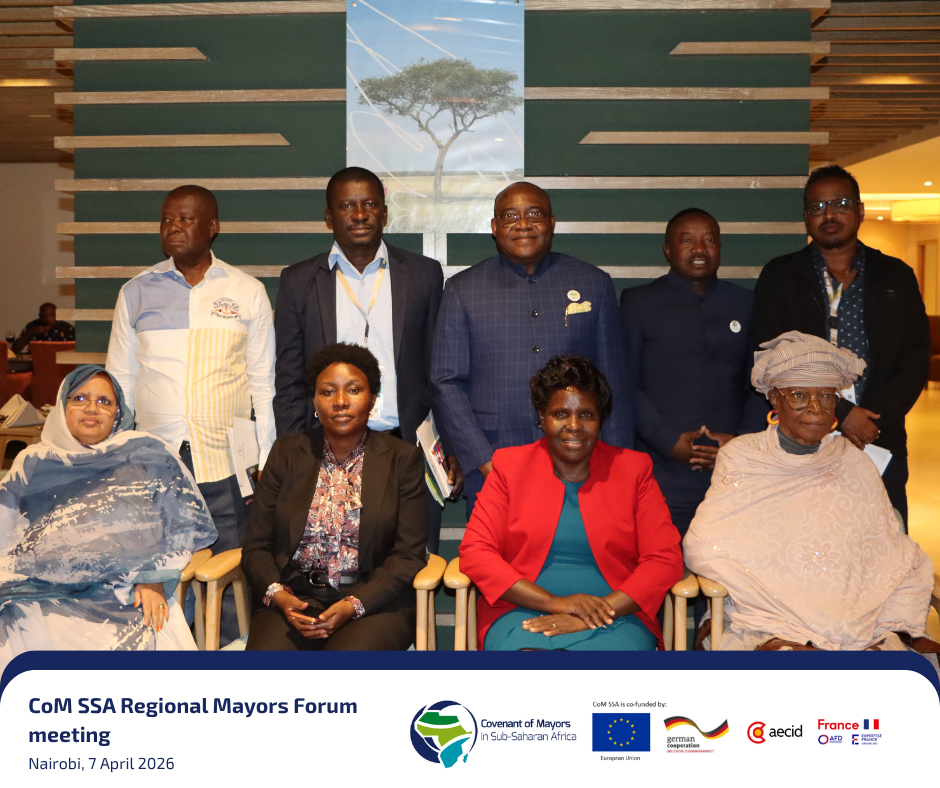
Manuel de Araújo; Chairperson of the RMF Mayor of Bangui (Central African Republic), Émile-Gros-Raymond Nakombo; Mayor of Harare (Zimbabwe), Jacob Mafume;
Deputy Mayor of Dire Dawa (Ethiopia), Tajudin Abdulahi Yusuf
Front row: President of Nouakchott (Mauritania), Fatimetou Abdel Malick; Governor of Embu County (Kenya), Cecily Mbarire;
Mayor of Nansana (Uganda), Regina Bakitte Nakazzi; Mayor of Bamako III (Mali), Mariame Diallo
Since its launch in 2015, the Covenant of Mayors in Sub-Saharan Africa (CoM SSA) has grown into a flagship initiative of EU-Africa cooperation, reflecting the co-funders’ and implementers’ shared conviction that lasting urban transformation requires sustained engagement and trusted systems that stay in place beyond individual cycles of support.
Co-funded by the EU, BMZ, AECID and the French Ministry of Europe and Foreign Affairs and implemented through long-standing partners AFD/EF (France), AECID (Spain), GIZ (Germany) and ICLEI Africa (host of the CoM SSA Secretariat), CoM SSA is designed to align with the Global Gateway strategy and delivered under a Team Europe approach. The initiative has the political commitment from over 400 signatory local governments in 41 countries, representing more than 166 million citizens.
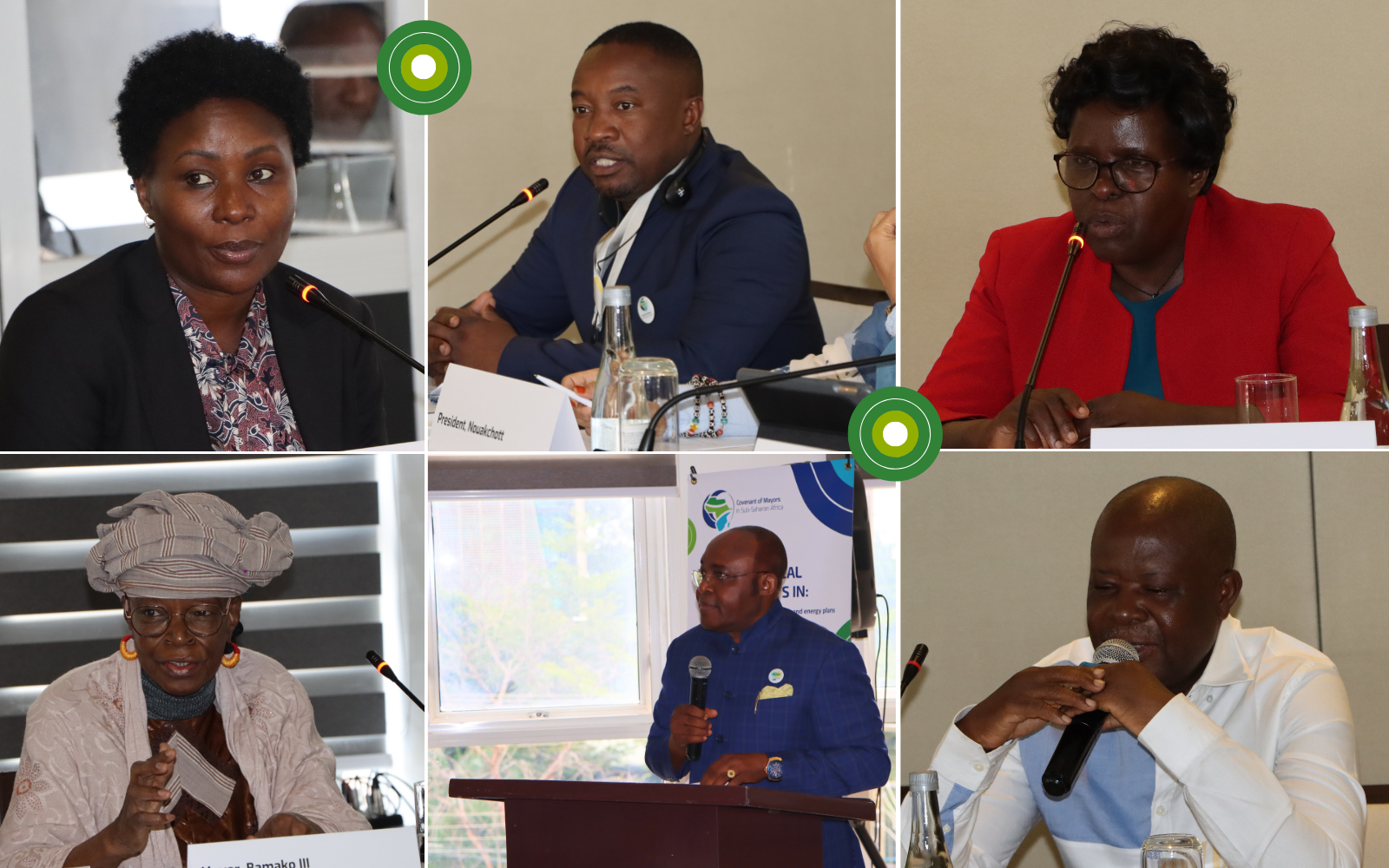
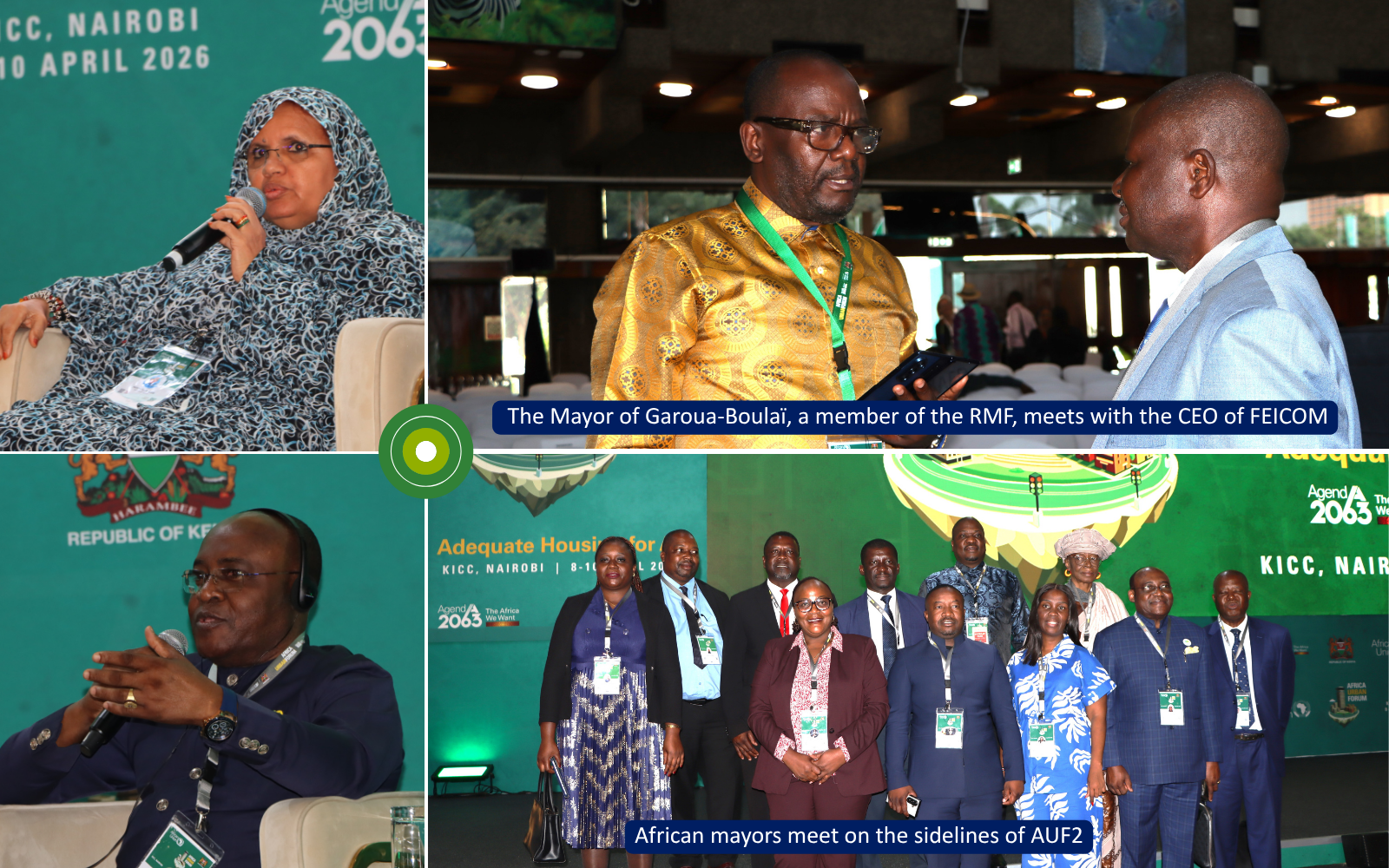
At the AUF2, the CoM SSA Regional Mayors Forum (RMF), comprising 12 elected signatories representing the four regions of sub-Saharan Africa, participated decisively. Ahead of the Forum, the RMF met to agree on shared objectives for the initiative at the AUF2 and to align their inputs to the draft AUF2 Declaration. Their key messages included:
- Devolved climate finance for local governments;
- Institutionalising multilevel governance for NDC delivery,
- Addressing loss and damage through just and inclusive climate transitions.
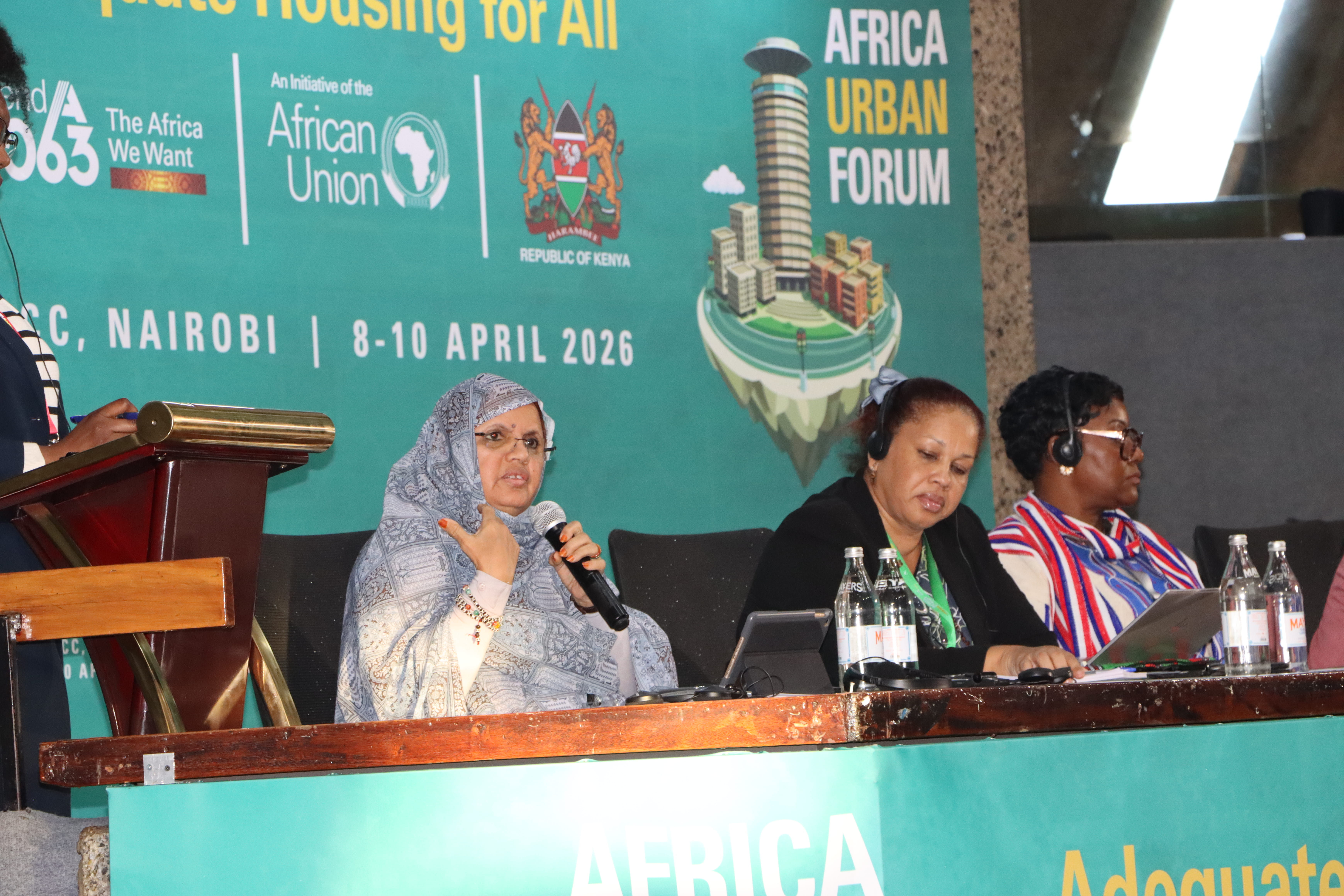
"Africa’s rapid urbanisation is both a challenge and a major opportunity to build resilient, inclusive and sustainable cities. With support from CoM SSA, cities like Nouakchott are advancing climate action plans, urban mobility strategies and urban agriculture programmes, strengthening food security, creating jobs and building resilience in times of crisis." ~ Fatimetou Abdel Malick, Council President, Nouakchott (Mauritania), CoM SSA RMF member speaking at AUF2 High-level ministerial thematic session: Resilience building & sustainable urban development.
AUF2 was a key event for CoM SSA this year. The initiative hosted/supported three side events and one high-level plenary session. CoM SSA Mayors and experts, from Expertise France, GIZ and the Secretariat (hosted by ICLEI Africa) participated in numerous session sharing their insights and experiences. With the growing demand for resilient urban infrastructure and services, there are major investment needs and significant opportunities to shape sustainable development trajectories, aligned with realistic investment pathways. The CoM SSA side events showcased how locally-grounded urban priorities can connect to the EU’s policy and investment mobilisation agenda.
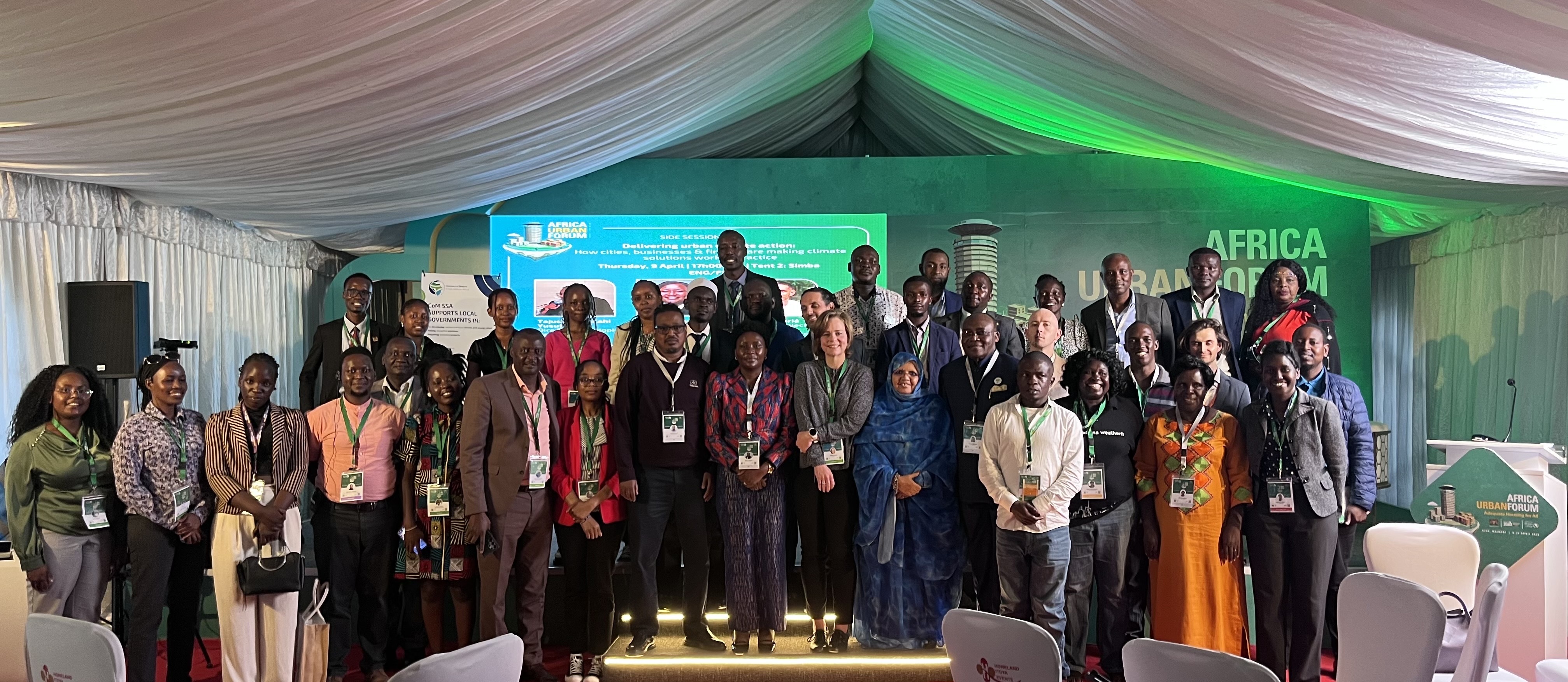
including partnerships mobilisation, risk-sharing, moving from project planning to implementation, and long-term sustainability.
Local and Regional Governments Forum plenary puts urban leaders on the centre stage

As part of the AUF2’s high-level plenary sessions, ICLEI Africa, UN-Habitat, UCLG-Africa and C40 Cities co-convened the first-ever Local and Regional Governments Forum (LRGF), attended by 40 Mayors and urban leaders. The LRGF, supported by CoM SSA and the Council of Governors Kenya, elevated the voices of Mayors and Governors, profiling them as leaders shaping urban futures.
This LRGF was a key moment in the AUF2, as reflected by Anacláudia Rossbach (Executive Director of UN-Habitat and United Nations Under-Secretary-General) at the AUF2 closing ceremony, where she commended the AUF for “dedicating a specific substantive session to local governments and cities, showcasing their leadership.”
CoM SSA RMF members featured prominently throughout the LRGF, sharing their perspectives, experiences, knowledge and solutions to the urban challenges.
"Urbanisation needs to be planned and financed. We need institutions that can finance the gap. Our role, as local government, includes collaborating with the central government, ensuring they understand the circumstances of our communities." ~ Chilando Chitangala, Mayor of Lusaka (Zambia), CoM SSA RMF Vice-Chairperson
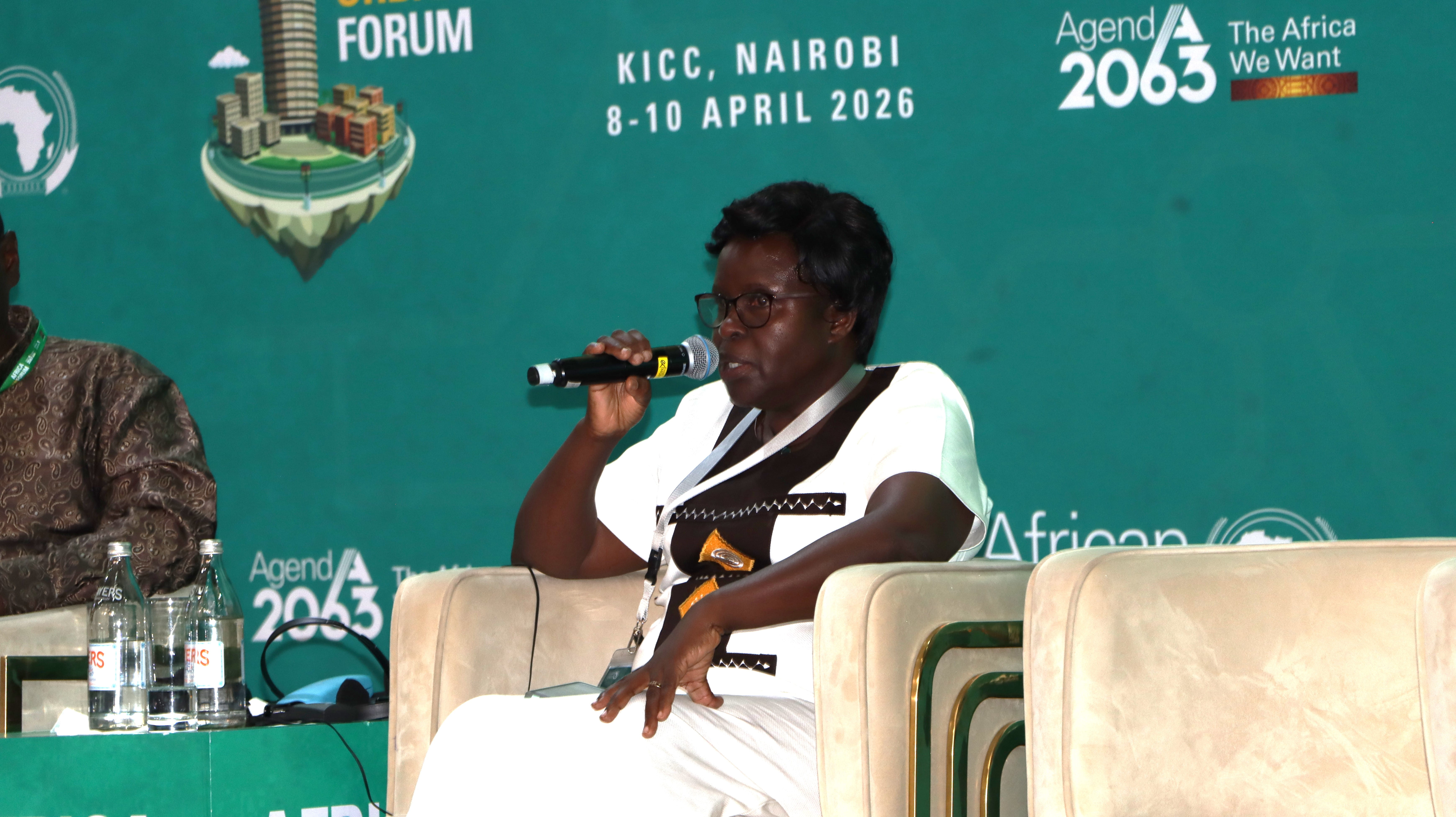
Rapid urbanisation in Nansana Municipality in Uganda: Three years ago, Nansana had 300,000 inhabitants; we are now at 700,000. 296,000 are young people, with an important demand for housing. 59% of the inhabitants live in an informal housing environment. We have come together with 3 other municipalities under the Greater Kampala Metropolitan Area, which is helping us to attract money for bankable projects. ~ Regina Bakitte, Mayor of Nansana (Uganda), RMF member
The Nairobi Declaration: a roadmap to shape urban futures
Speaking at the AUF2 opening, the AUC’s head of Agriculture, Rural Development, Blue Economy and Sustainable Environment (ARBE), H.E. Moses Vilakati, said the AUF2 Declaration (Nairobi Declaration) will be taken to the AU Assembly to be held in February 2027, and the Member States will develop action plans to take this Declaration forward.
The Declaration presents housing as a central pillar of Africa’s urban transformation, closely linked to economic growth, industrialisation, and infrastructure development. It recognises both the scale of the housing deficit and the role of informal systems, while placing strong emphasis on land reform, financing mechanisms, and large-scale delivery. Housing is framed as an economic driver. On finance, the Declaration indicates a commitment “to empowering Subnational Governments as fiscally capable actors to deliver sustainable and bankable urban development; Cities and regions cannot deliver without sustainable finance.”
The Nairobi Declaration further reinforces the importance of multilevel governance and locally driven implementation, calling for strengthened alignment between national policies and city-level action, including through stronger urban integration in NDCs and climate finance frameworks.
These commitments that closely mirror the priorities long championed by CoM SSA and its Regional Mayors Forum. This Declaration will inform CoM SSA evolving technical approaches to develop robust, evidence-based climate and energy plans, as well as scaling impactful, bankable climate and urban solutions.
The Declaration resolves to “seize the historic opportunity presented by the hosting of COP32 by Ethiopia to amplify Africa’s voice on Urban Resilience,” and the CoM SSA RMF will support this intention. In particular, the Declaration calls for the mobilisation of urban actors across the continent and for urban resilience, housing, human settlements, and job creation to be placed at the centre of Africa’s COP32 agenda and commitments. This presents an important opportunity for African cities, through platforms such as CoM SSA, to demonstrate how locally led action can contribute directly to national and continental climate ambitions. The outcomes from the AUF2 will directly influence the World Urban Forum 13, which will be held in Baku, Azerbaijan in May 2026.
For CoM SSA, the exchanges at the Forum accentuated the importance of continuous coordination with development partners, development finance institutions and private investors to drive effective project preparation that addresses demands and equips cities to access and deploy investment. CoM SSA will continue to reinforce linkages between the EU Global Gateway investment agenda and African priorities. This positions African cities as partners and co-creators, and strengthens the delivery of sustainable urban transformation at scale.
 Share On Facebook
  Share On X
  Send Via Email
 Related Articles
-

Renewable energy as a vehicle for equity and urban resilience in sub-Saharan Africa
As cities across sub-Saharan Africa continue to grow, so too does the urgency to ensure that urban development is powered by energy systems that are reliable, affordable and equitable. This was the central message emerging from the recent Regional Dialogue on Renewable Energy, co-hosted by the Covenant of Mayors in Sub-Saharan Africa (CoM SSA) Secretariat, Global Covenant of Mayors for Climate & Energy (GCoM) and REN21.
View articles -

Advancing waste-to-energy solutions in African cities through EU collaboration
The Covenant of Mayors in Sub-Saharan Africa (CoM SSA) recently marked a significant milestone in supporting sustainable urban development with the implementation of the GCoM–Ökobit biogas pilot project across three African cities: Mombasa County (Kenya), Basse Area Council (The Gambia), and Sekondi-Takoradi Municipal Assembly (Ghana).
View articles -

CoM SSA Mayors elevate local priorities in global advocacy events
November brought together urban, national, private sector and diplomatic leaders at three major global climate events, the Local Leaders Forum (LLF), the Urban Transition Mission (UTM) Summit and the long-anticipated COP30. Across these events, CoM SSA Mayors amplified the priorities and perspectives of African local governments, how city-level climate action is gaining momentum across the continent, and how, with the right partnerships, local leaders can scale these actions to drive meaningful, lasting change.
View articles